
Future-Proofing Kitchen Remodels: Adaptable Design Strategies for General Contractors
By Berg General Contractor Kitchens Wed Jan 21 20267 minutes
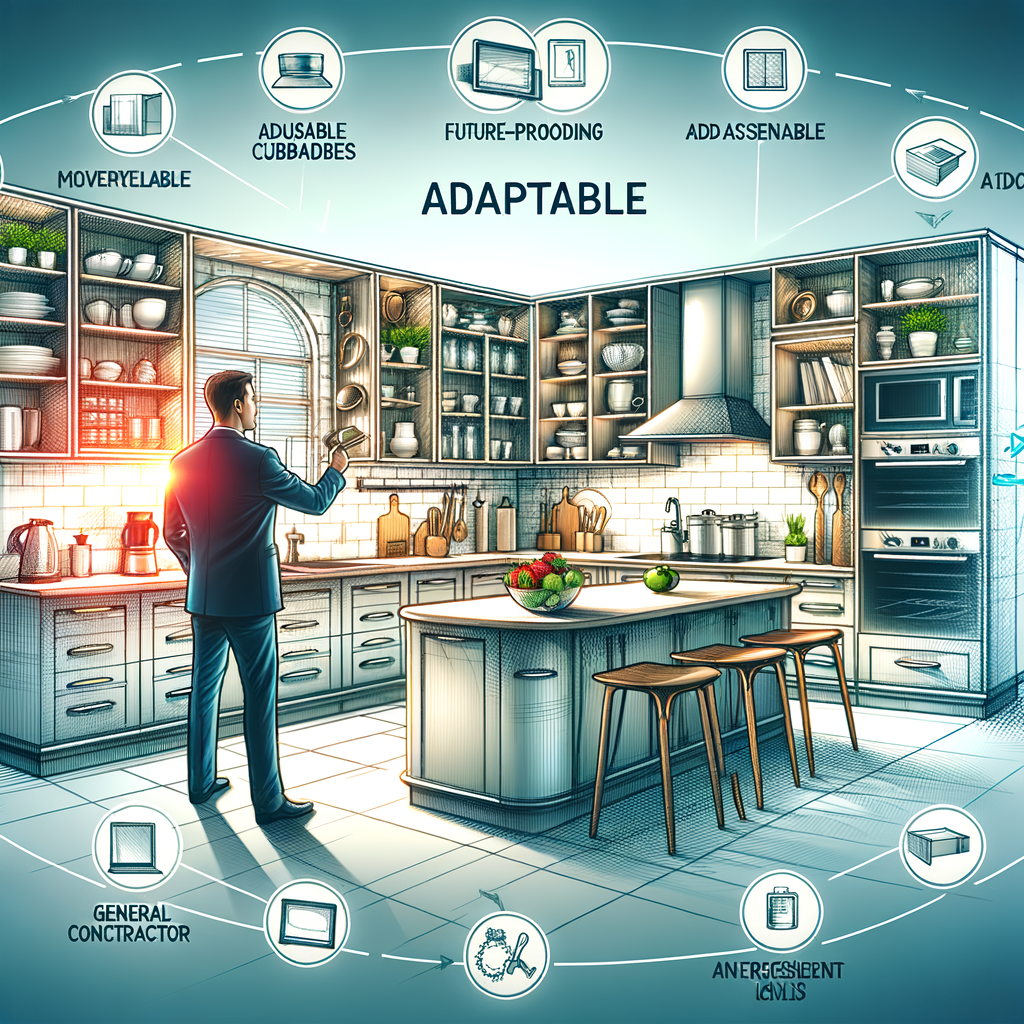
Understanding the Value of Adaptable Kitchen Design
As lifestyles evolve and technology rapidly advances, homeowners increasingly seek kitchens that can adapt to their changing needs. For general contractors, integrating adaptability into kitchen remodels is essential for long-term client satisfaction and property value retention.“The most successful kitchen remodels are those that anticipate change, not just current trends.”
Key Elements of Adaptable Kitchen Layouts
A future-proof kitchen prioritizes flexibility in both structure and aesthetics. By incorporating modular components and universal design principles, contractors can create spaces that accommodate shifting family dynamics, accessibility requirements, and emerging appliances.- Adjustable-height countertops for ergonomic versatility
- Moveable islands or peninsulas to reconfigure workflow zones
- Wide, unobstructed pathways to support aging-in-place or mobility devices
- Open shelving systems that allow for easy updates or personalization
Material Selection for Longevity and Flexibility
Material choices play a pivotal role in adaptable kitchen design. Selecting surfaces and fixtures that withstand wear, allow for easy updates, and harmonize with evolving design trends ensures the kitchen remains functional and visually appealing over time.| Material | Adaptability Benefit |
| Quartz Surfaces | Resistant to stains and scratches; timeless appearance |
| Magnetic Backsplashes | Facilitate tool and accessory rearrangement |
| Laminate Cabinet Fronts | Easily swapped for color or style updates |
| Engineered Wood Flooring | Durable and compatible with layout changes |
Integrating Infrastructure for Future Upgrades
General contractors should anticipate future needs by integrating infrastructure that supports emerging technologies and appliances. Flexible electrical layouts, reinforced walls for future cabinetry, and smart plumbing systems are foundational to a kitchen that evolves with its users.- Pre-wired outlets for future smart appliances
- Plumbing rough-ins for potential secondary sinks or dishwashers
- Blocking in walls to support future cabinetry or shelving additions
- Under-cabinet raceways for easy lighting upgrades
Expert Insights: Balancing Customization and Universal Appeal
Achieving the right balance between personalized features and universal usability is crucial. Contractors must guide clients toward solutions that reflect their preferences while ensuring adaptability for future occupants or resale scenarios.“Universal design isn't about making a kitchen bland—it's about maximizing usability for everyone, now and in the future.”
Encouraging Client Engagement and Future Planning
Proactively involving clients in discussions about future needs fosters trust and positions the contractor as a forward-thinking partner. Open-ended questions about potential lifestyle changes, family growth, or aging-in-place goals help tailor adaptable solutions.- How might your kitchen needs change in the next five to ten years?
- Are there family members or guests with accessibility considerations?
- Would you benefit from spaces that can be easily reconfigured for entertaining or daily routines?
Conclusion: Elevating General Contracting with Future-Proofed Kitchens
By prioritizing adaptable design strategies, general contractors can deliver kitchen remodels that stand the test of time. This approach not only enhances client satisfaction but also positions contractors as leaders in forward-thinking, value-driven kitchen transformations.“Future-proofing a kitchen is an investment in both the property and the people who call it home.”