
Integrating Smart Kitchen Technology in General Contracting Projects
By Berg General Contractor Kitchens Thu Jan 08 20267 minutes
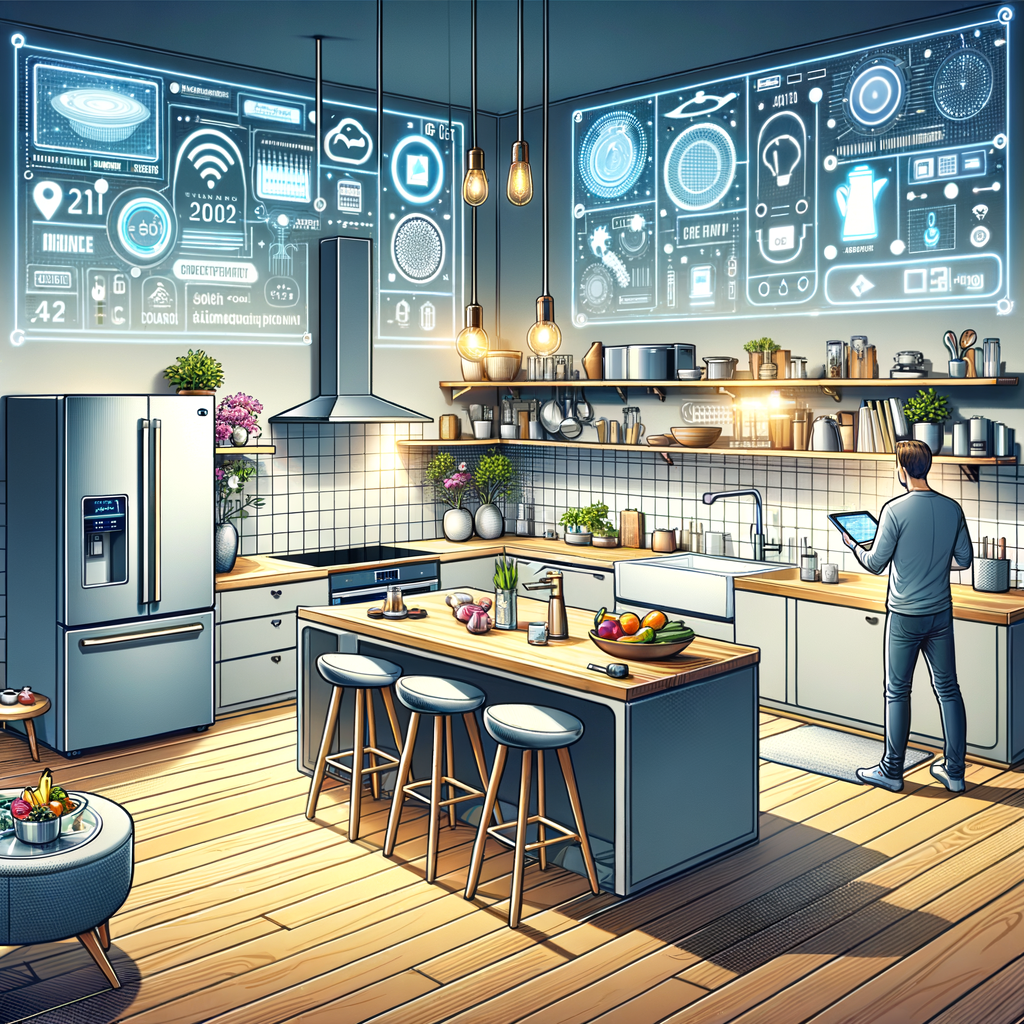
Why Smart Kitchens Are the Next Frontier in General Contracting
Homeowners are increasingly seeking kitchens that not only look stunning but also offer advanced functionality and convenience. As a general contractor, integrating smart kitchen technology is no longer a luxury—it's a competitive necessity. Clients want intuitive controls, energy efficiency, and seamless connectivity, making it essential to understand the latest advancements and how to incorporate them into your projects.Core Components of a Smart Kitchen Ecosystem
- Connected appliances (smart refrigerators, ovens, dishwashers) with remote monitoring and control capabilities
- Voice-activated assistants for hands-free operation
- Automated lighting and climate systems tailored to kitchen activities
- Integrated sensors for leak detection, air quality, and energy management
- Centralized control panels or mobile apps for unified management
Key Integration Challenges and Contractor Solutions
Incorporating intelligent systems into kitchen renovations or new builds introduces unique challenges. Electrical and networking requirements often surpass traditional designs, demanding precise planning and coordination. Contractors must also consider interoperability between devices from different manufacturers and ensure future scalability as technology evolves.“A well-designed smart kitchen balances cutting-edge technology with timeless craftsmanship, ensuring functionality and beauty coexist.”
Smart Kitchen Tech: Value Propositions for Homeowners
Clients are increasingly aware of the tangible benefits smart kitchens provide. From enhanced safety to significant energy savings, these features elevate daily living and future-proof the property. Contractors who can articulate these advantages position themselves as forward-thinking industry leaders.- Improved energy efficiency through intelligent scheduling and automation
- Enhanced safety with real-time alerts for leaks, smoke, or appliance malfunctions
- Greater convenience via remote and voice controls
- Increased property value and buyer appeal in a competitive market
- Customizable experiences tailored to individual cooking habits
Smart Kitchen Technology Integration: Planning Checklist
- Assess client needs and preferred smart features early in the design process
- Coordinate with electricians and network specialists to accommodate additional wiring and connectivity
- Select interoperable devices and platforms for seamless integration
- Plan for scalability to support future upgrades
- Educate clients on system use and maintenance for long-term satisfaction
Emerging Trends: What’s Next for Smart Kitchens?
The smart kitchen landscape is evolving rapidly. Artificial intelligence, predictive maintenance, and even robotic assistants are on the horizon. Contractors who stay ahead of these trends can offer clients unmatched innovation and long-term value.| Trend | Description |
| AI-driven recipe suggestions | Appliances that recommend meals based on inventory and dietary preferences |
| Predictive maintenance | Systems that alert homeowners before appliances fail |
| Robotic kitchen assistants | Automated devices for cooking or cleaning tasks |