
Integrating Under-Cabinet Electrical Solutions in Kitchen General Contracting: Enhancing Functionality and Aesthetics
By Berg General Contractor Kitchens Fri Feb 27 20267 minutes
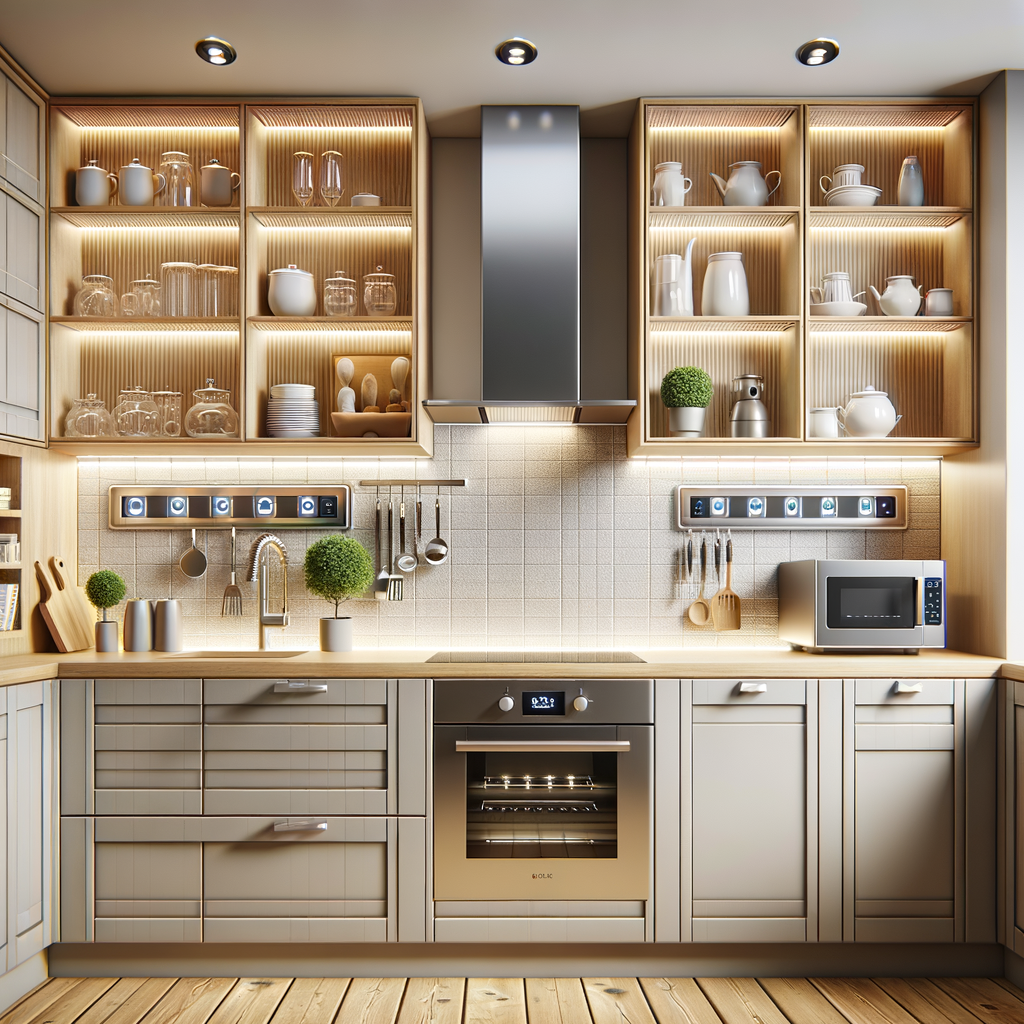
The Rising Demand for Under-Cabinet Electrical Solutions
Modern homeowners increasingly expect seamless, clutter-free kitchens with integrated power and lighting. General contractors must address client demands for both functionality and aesthetics when planning under-cabinet electrical installations. Understanding the latest innovations and code requirements is essential for delivering superior results.“A well-planned under-cabinet electrical system can transform kitchen usability and elevate the overall design.”
Key Benefits of Under-Cabinet Electrical Integration
- Enhanced countertop accessibility for small appliances and device charging
- Minimized visual clutter by eliminating exposed outlets and cords
- Improved task lighting for food preparation and cooking
- Increased safety through strategic GFCI placement and childproofing options
“Integrating electrical solutions under cabinetry is a hallmark of high-end kitchen craftsmanship.”
Critical Planning Considerations for Contractors
Contractors must collaborate with electricians early in the design phase to ensure all power and lighting needs are addressed. Factors such as cabinet layout, backsplash materials, and appliance placement directly impact wiring routes and outlet positioning. Compliance with the National Electrical Code (NEC) and local regulations is non-negotiable.“Proactive coordination between trades prevents costly rework and ensures a seamless installation.”
Innovative Under-Cabinet Electrical Products and Placement Strategies
The market offers a range of under-cabinet electrical solutions, from modular power strips to wireless charging pads and LED lighting systems. Choosing the right products and placement strategies can dramatically improve both convenience and aesthetics in the finished kitchen.- Recessed, angled, or pop-up outlets for unobtrusive power access
- LED task lighting with dimmable and color-tunable options
- USB-integrated outlets for modern device charging needs
- Customizable power tracks that adapt to evolving kitchen usage
“Selecting flexible electrical components enables future upgrades without major renovations.”
Installation Best Practices and Common Pitfalls to Avoid
Precise measurement and layout are vital to avoid conflicts with cabinetry hardware or plumbing. Contractors should pre-plan cutouts and ensure all wiring is concealed yet accessible for maintenance. Overlooking ventilation or overloading circuits are common mistakes that compromise safety and performance.“Attention to detail during installation separates average projects from exceptional ones.”
| Best Practice | Pitfall to Avoid |
| Coordinate with cabinetmakers before rough-in | Placing outlets where drawers or pull-outs interfere |
| Use GFCI protection for all countertop circuits | Neglecting code-required spacing or tamper resistance |
| Test lighting and power before final cabinetry installation | Forgetting to provide access panels for future servicing |
Trends and Future Directions in Under-Cabinet Electrical Design
Emerging trends such as voice-activated lighting, smart outlets, and wireless power transmission are shaping the future of kitchen electrical design. Contractors who stay ahead of these innovations can offer clients truly state-of-the-art solutions that enhance both daily living and long-term property value.“Embracing new technologies in kitchen contracting distinguishes forward-thinking professionals from the competition.”
Engage With Us: Your Experience Matters
Have you encountered challenges or creative solutions when integrating under-cabinet electrical systems in kitchen projects? What features do your clients request most often, and how do you address evolving technology trends? Share your insights and questions below to join the conversation with fellow contractors and industry experts.“Collaboration and shared knowledge drive continuous improvement in kitchen general contracting.”