
Navigating Custom Cabinetry Selection in Kitchen General Contracting: A Comprehensive Guide
By Berg General Contractor Kitchens Mon Jan 19 20268 minutes
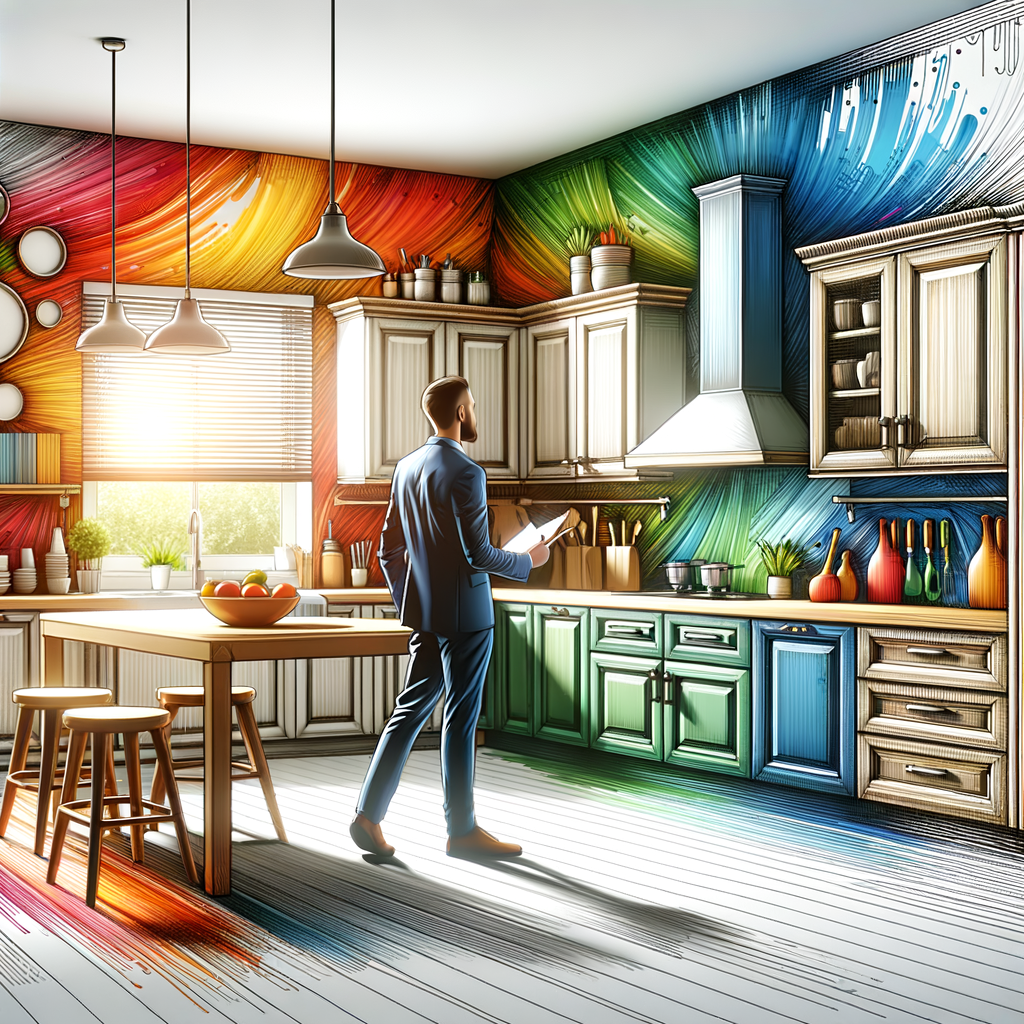
Understanding Client Needs and Aspirations in Cabinetry Selection
Every kitchen renovation project begins with understanding the unique preferences and functional needs of the client. General contractors must decode not only the desired aesthetic but also storage requirements, accessibility concerns, and lifestyle aspirations. This foundational step ensures the cabinetry solution aligns with the overall vision and daily use patterns.“The most successful kitchen projects are those where the contractor listens deeply to the client’s lifestyle and translates that into functional, beautiful cabinetry solutions.”
Key Factors to Evaluate When Specifying Custom Cabinets
Selecting the right custom cabinets goes far beyond visual appeal. Contractors must weigh material integrity, joinery techniques, finish durability, hardware quality, and compatibility with appliances and plumbing. Overlooking these technical details can result in premature wear or costly retrofits down the line.- Material composition: solid wood, plywood, MDF, or particleboard
- Joinery: dovetail, mortise and tenon, dowel, or cam-lock
- Finish options: catalyzed lacquer, UV-cured, or waterborne finishes
- Hardware: soft-close hinges, full-extension slides, and integrated lighting
Balancing Budget Constraints with Long-Term Value
Budget is often a primary concern for clients, but the lowest upfront cost rarely equates to the best investment. General contractors must help clients understand the total cost of ownership, factoring in maintenance, warranty, and potential replacement timelines. Value engineering strategies can be applied to optimize both cost and quality.| Cabinet Material | Initial Cost | Expected Lifespan | Maintenance Needs |
| Solid Wood | High | 20+ years | Low |
| Plywood | Medium | 15-20 years | Low |
| MDF | Low | 10-15 years | Medium |
| Particleboard | Lowest | 5-10 years | High |
Integrating Custom Cabinetry with Project Workflows
The sequencing of custom cabinetry installation is critical to avoid delays and ensure a seamless fit with other trades. Contractors must coordinate with suppliers for precise lead times, verify field measurements after rough-ins, and schedule installation after flooring and painting are complete. Proactive communication with all stakeholders minimizes disruptions.“Cabinetry is the backbone of kitchen aesthetics and function—timely coordination with trades ensures the entire project remains on track.”
Emerging Trends in Custom Cabinetry for Modern Kitchens
Staying ahead of design and material trends helps contractors deliver kitchens that are both current and timeless. Innovations such as integrated organizational systems, eco-friendly finishes, and mixed-material aesthetics are reshaping client expectations. Being well-versed in these trends enables contractors to offer forward-thinking solutions.- Hidden charging stations and tech integration
- Matte and textured finishes for a tactile experience
- Reclaimed wood and low-VOC materials for sustainability
- Open shelving combined with traditional cabinetry