
Navigating Plumbing System Upgrades in Kitchen General Contracting: Best Practices for Modern Projects
By Berg General Contractor Kitchens Wed Mar 04 20267 minutes
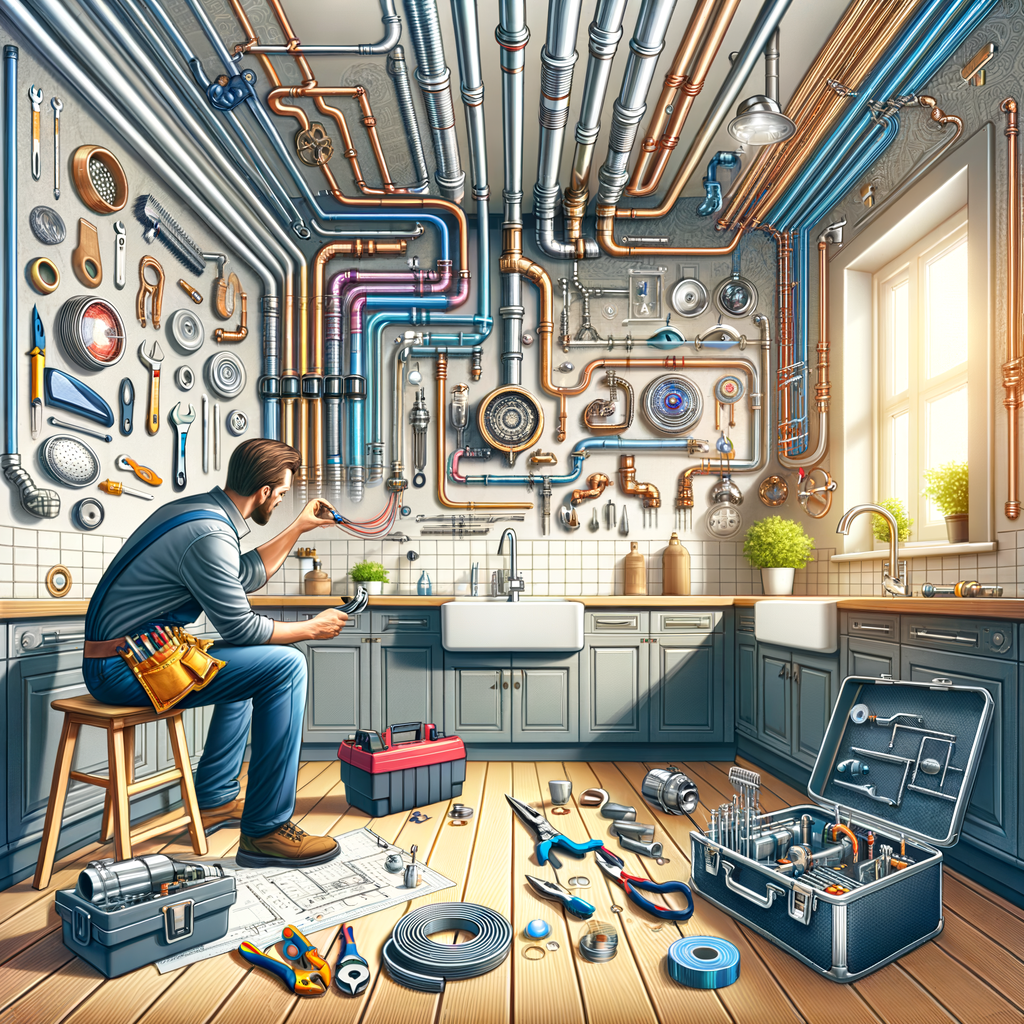
The Critical Role of Plumbing in Kitchen Renovations
Plumbing is often the linchpin of a successful kitchen remodel, yet it remains one of the most underestimated components during project planning. For general contractors, the complexity of modern kitchen appliances, water-efficient fixtures, and evolving code requirements demands a proactive approach to plumbing system upgrades. Ensuring a seamless integration of new plumbing infrastructure can prevent costly delays and rework, directly impacting client satisfaction and long-term property value.Key Considerations When Upgrading Kitchen Plumbing Systems
A comprehensive plumbing upgrade in a kitchen remodel involves more than simply replacing pipes or fixtures. Contractors must assess the compatibility of existing supply lines, drainage systems, and venting with contemporary appliances and eco-friendly solutions. Early identification of these factors can minimize surprises during demolition and installation phases.- Evaluating water pressure and flow requirements for new appliances
- Selecting corrosion-resistant piping materials (e.g., PEX, copper)
- Ensuring proper slope and venting for drainage lines
- Accommodating smart faucets and filtration systems
- Complying with local plumbing codes and inspection protocols
Industry Trends: Water Conservation and Smart Plumbing Solutions
Modern kitchens increasingly demand plumbing systems that support water conservation and smart technology integration. Low-flow faucets, touchless fixtures, and leak detection sensors are becoming standard in high-end kitchen projects. These innovations not only reduce utility costs but also align with sustainable building goals that many clients prioritize.“Integrating smart plumbing solutions is no longer a luxury—it's a necessity for future-ready kitchen spaces.”
Common Pitfalls in Kitchen Plumbing Upgrades—and How to Avoid Them
Despite careful planning, contractors often encounter unexpected obstacles during plumbing upgrades. Identifying common pitfalls and adopting proven mitigation strategies can safeguard project timelines and budgets.- Overlooking the need for upsized supply lines for multiple high-demand appliances
- Failing to coordinate plumbing rough-ins with cabinetry and appliance layouts
- Neglecting to pressure-test new lines before closing walls
- Underestimating the impact of water hammer or noisy pipes in open-concept designs
Cost Implications and Budgeting for Plumbing Upgrades
Plumbing system upgrades can account for a significant portion of a kitchen remodel budget. Transparent cost estimation—factoring in materials, labor, and unforeseen contingencies—builds client trust and streamlines project execution. Contractors should also educate clients on the long-term savings associated with efficient plumbing solutions, such as reduced water bills and minimized maintenance.| Upgrade Component | Estimated Cost Range |
| PEX Re-piping | $2,000 - $4,500 |
| High-Efficiency Faucets | $150 - $600 each |
| Touchless Fixtures | $300 - $900 each |
| Leak Detection Sensors | $100 - $500 per unit |
Future-Proofing Kitchen Plumbing for Evolving Needs
Anticipating future lifestyle changes and technological advancements is essential for long-term kitchen functionality. General contractors should recommend adaptable plumbing layouts that can accommodate future appliance upgrades or layout changes without extensive rework. This forward-thinking approach not only enhances client satisfaction but also adds tangible resale value to the property.- Designing accessible shut-off valves for easier maintenance
- Allowing extra capacity in supply and drain lines
- Installing conduit or access panels for future upgrades
- Using modular plumbing manifolds for flexibility
“A well-designed plumbing system is an investment in both present comfort and future adaptability.”