
Specifying Eco-Friendly Kitchen Flooring in General Contracting: Best Practices and Emerging Trends
By Berg General Contractor Kitchens Thu Jan 29 20267 minutes
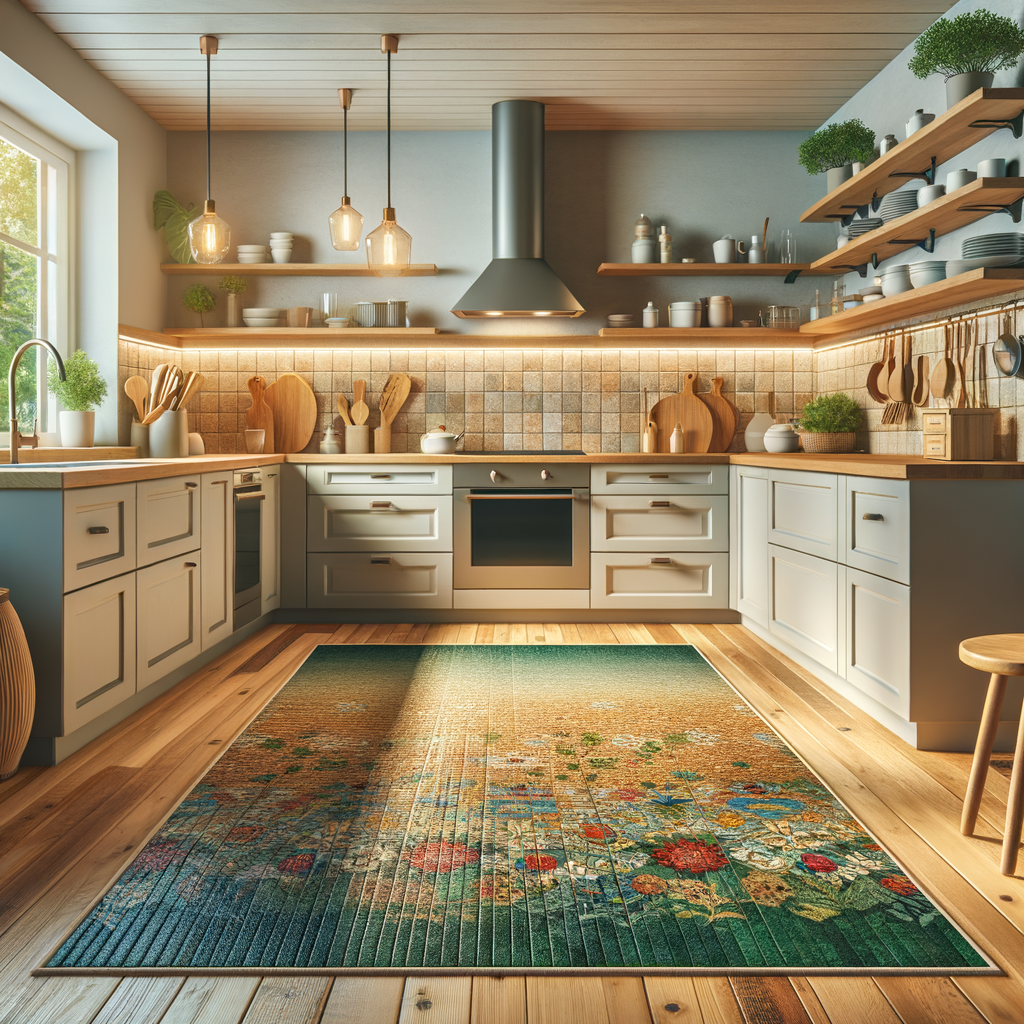
The Rising Demand for Sustainable Kitchen Flooring
Homeowners are increasingly prioritizing sustainability in kitchen remodels, pushing general contractors to specify eco-friendly flooring solutions. As environmental consciousness shapes client expectations, understanding the nuances of green flooring materials and their installation becomes crucial for competitive advantage.“Specifying eco-friendly materials is not just a trend—it's a responsibility that can set your contracting business apart in a crowded marketplace.”
Key Criteria for Selecting Eco-Friendly Kitchen Flooring
Selecting sustainable flooring involves more than just choosing a material labeled as green. Contractors must consider lifecycle impacts, indoor air quality, durability, and end-of-life recyclability to truly deliver on sustainability promises.- Low-VOC emissions for improved indoor air quality
- Rapidly renewable resources such as bamboo or cork
- Recycled content and post-consumer materials
- Durability and resistance to kitchen-specific wear and tear
- Certifications like FloorScore, FSC, or Greenguard
Top Eco-Friendly Kitchen Flooring Materials for General Contractors
There is a diverse array of green flooring materials suitable for kitchens, each with unique benefits and installation requirements. Staying informed about material innovations enables contractors to offer tailored solutions that align with both client values and functional needs.- Bamboo: Fast-growing, resilient, and available in various finishes
- Cork: Naturally antimicrobial, cushioned underfoot, and renewable
- Recycled Tile: Glass or ceramic options divert waste from landfills
- Linoleum: Made from linseed oil, biodegradable, and durable
- Reclaimed Wood: Salvaged timber with character and reduced environmental impact
Installation Best Practices for Sustainable Kitchen Flooring
Even the greenest materials can lose their environmental edge if installed improperly. Contractors should adhere to best practices that minimize waste, optimize longevity, and protect indoor air quality during and after installation.| Practice | Benefit |
| Use of low-VOC adhesives | Reduces harmful emissions |
| Precision material measurement | Minimizes off-cuts and waste |
| Proper subfloor preparation | Extends flooring lifespan |
| Moisture barrier installation | Prevents future mold or warping |
Emerging Trends and Innovations in Eco-Friendly Kitchen Flooring
The sustainable flooring landscape continues to evolve, with new technologies and materials emerging to meet growing environmental demands. Contractors who stay ahead of these trends can offer clients next-generation solutions and position themselves as industry leaders.- Bio-based composite floors with enhanced durability
- Digital design tools for waste-reducing custom cuts
- Modular tile systems for easy repair and replacement
- Transparent supply chain certifications
“Innovation in eco-friendly flooring is accelerating, and contractors who adapt quickly will define the future of sustainable kitchen design.”