
Specifying Splashback Materials in Kitchen General Contracting: Balancing Aesthetics and Performance
By Berg General Contractor Kitchens Fri Mar 13 20267 minutes
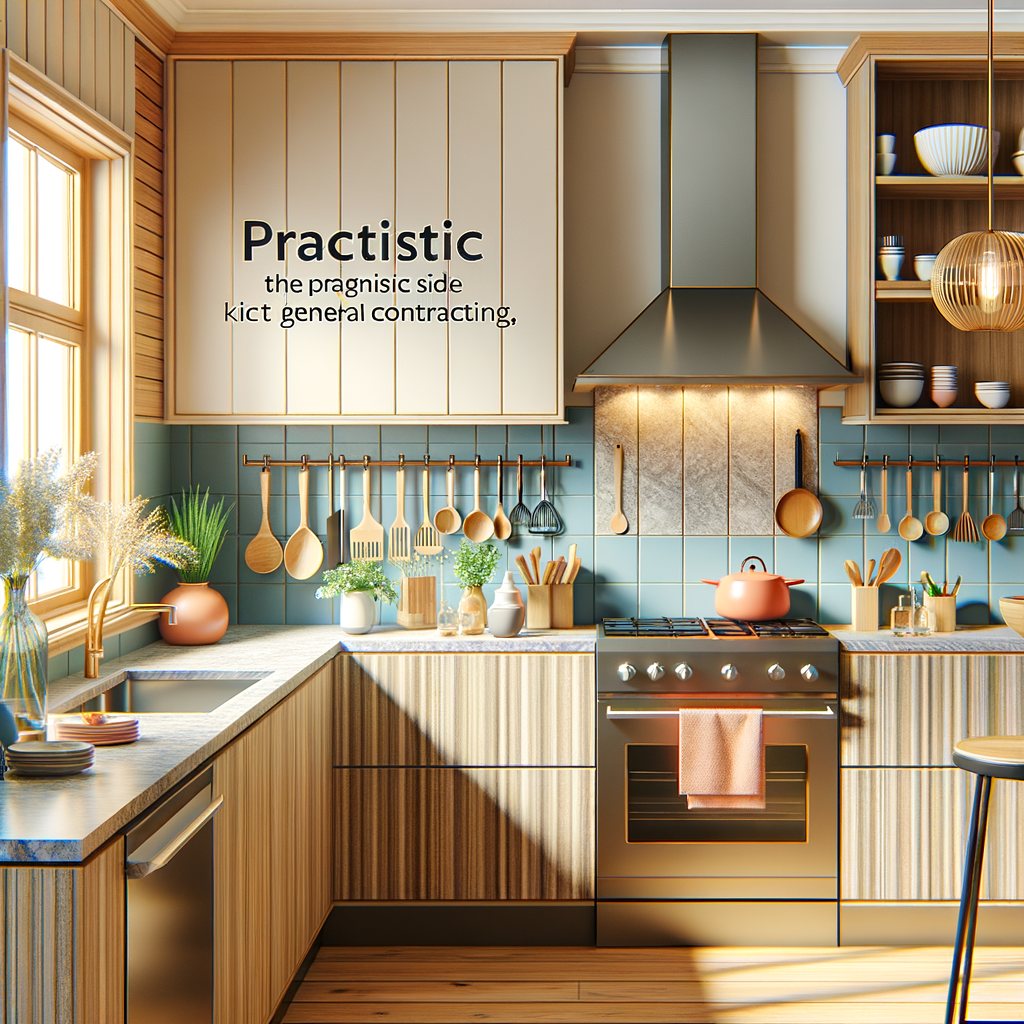
The Crucial Role of Splashbacks in Modern Kitchen Contracting
Splashbacks are no longer an afterthought in kitchen design—they’re a focal point that merges function with style. For general contractors, selecting the right splashback material is a complex decision that impacts durability, maintenance, and overall project success. Clients expect surfaces that resist stains, simplify cleaning, and elevate the kitchen’s visual appeal. Understanding the evolving landscape of splashback materials is essential for delivering high-performing, future-proof kitchens.Key Criteria for Splashback Material Selection
Choosing the optimal splashback involves balancing technical performance with client aspirations. Contractors must weigh factors like heat resistance, ease of installation, and compatibility with cabinetry and countertops. Each material comes with unique advantages and challenges, requiring a nuanced approach to specification.- Resistance to moisture and staining
- Thermal stability near cooktops
- Ease of daily cleaning and long-term maintenance
- Hygienic, non-porous surfaces
- Visual integration with kitchen design themes
- Material availability and lead times
Comparing Popular Splashback Materials: Performance at a Glance
| Material | Durability | Hygiene | Design Flexibility | Cost |
| Tempered Glass | High | Excellent | Customizable | $$$ |
| Porcelain Slab | Very High | Excellent | Limited Patterns | $$ |
| Stainless Steel | High | Very Good | Industrial Look | $$ |
| Engineered Quartz | High | Excellent | Wide Range | $$$ |
| Acrylic Panels | Moderate | Good | Vivid Colors | $ |
Emerging Trends: Large-Format Panels and Seamless Finishes
The market is witnessing a shift toward large-format splashbacks and seamless installations, reducing grout lines and minimizing maintenance. Ultra-compact surfaces and digitally printed glass now offer bespoke patterns, opening new possibilities for personalized design. Contractors who stay ahead of these trends can offer clients both innovation and practicality.“Clients increasingly seek kitchen splashbacks that are as easy to maintain as they are striking in appearance—contractors who anticipate these needs set themselves apart.”
Installation Best Practices and Common Pitfalls
Proper installation is as critical as material selection. Even premium materials can underperform if installed without attention to substrate preparation, adhesive compatibility, or expansion joints. Contractors must coordinate closely with suppliers and installers to avoid costly callbacks or premature failures.- Verify substrate flatness and stability before installation
- Use manufacturer-recommended adhesives and sealants
- Allow for thermal expansion, especially near heat sources
- Seal all joints to prevent moisture ingress
- Provide clients with care and maintenance guidelines