
Specifying Under-Cabinet Electrical Systems: A Guide for General Contractors in Kitchen Projects
By Berg General Contractor Kitchens Mon Feb 23 20267 minutes
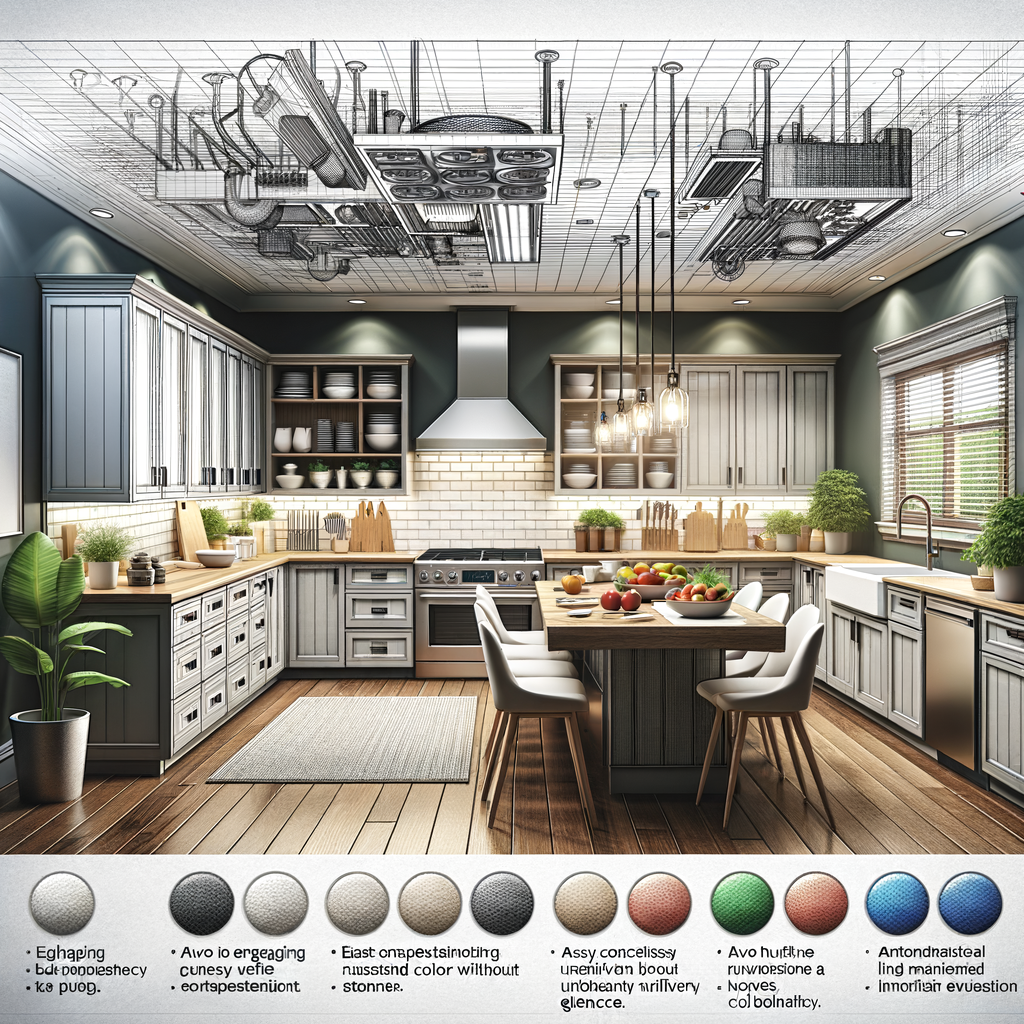
The Importance of Under-Cabinet Electrical Systems in Modern Kitchens
Under-cabinet electrical systems have become essential features in contemporary kitchen design. As homeowners demand more convenience and seamless aesthetics, integrating power sources for small appliances, lighting, and smart devices beneath cabinets is now a standard expectation. For general contractors, understanding the nuances of specifying and installing these systems is vital for both safety and client satisfaction.Key Considerations When Planning Under-Cabinet Electrical Layouts
Effective planning for under-cabinet electrical requires a thorough understanding of kitchen workflow, appliance placement, and code compliance. Early collaboration with electricians and designers ensures that outlets, lighting, and controls are optimally located and unobtrusive. Ignoring these factors can result in costly change orders or dissatisfied clients.- Mapping appliance zones before rough-in
- Prioritizing GFCI protection for all receptacles
- Ensuring low-profile, tamper-resistant outlets
- Accommodating future technology upgrades
“A well-planned under-cabinet electrical system blends functionality with design, elevating the kitchen experience for end users.”
Navigating Code Requirements and Safety Standards
Compliance with the National Electrical Code (NEC) and local amendments is non-negotiable when specifying under-cabinet electrical systems. General contractors must ensure that installations meet spacing requirements, circuit load calculations, and protection against moisture and heat. Overlooking these regulations can lead to inspection failures or hazardous conditions.| Requirement | Description |
| GFCI Protection | All countertop outlets must have GFCI protection |
| Outlet Spacing | No point along the countertop may be more than 24 inches from an outlet |
| Tamper Resistance | All receptacles must be tamper-resistant in residential settings |
Innovative Solutions for Seamless Integration
Advancements in electrical hardware now allow contractors to offer discrete, high-performance under-cabinet systems. Options include modular track systems, pop-up outlets, and wireless charging pads. These innovations not only enhance safety and accessibility but also contribute to a clutter-free aesthetic that clients increasingly demand.- Modular power tracks for customizable layouts
- LED-integrated outlet strips for dual functionality
- Pop-up and retractable outlets for island installations
- Wireless charging pads embedded beneath surfaces
“The integration of new electrical technologies can be a significant differentiator for contractors seeking to exceed client expectations.”
Common Pitfalls and How to Avoid Them
Despite their advantages, under-cabinet electrical systems present unique challenges. Common mistakes include poor coordination with cabinetry, inadequate load planning, and insufficient future-proofing. Proactively addressing these issues during the design phase reduces the risk of costly rework and enhances long-term client satisfaction.- Failing to coordinate with custom cabinetry dimensions
- Underestimating power requirements for modern appliances
- Neglecting to plan for future smart home integrations
- Overlooking ventilation and heat dissipation near outlets
Expert Recommendations for General Contractors
To deliver superior kitchen projects, general contractors should prioritize early-stage planning, cross-disciplinary collaboration, and ongoing education about emerging electrical solutions. Staying current with code updates and product innovations empowers contractors to offer safer, more functional, and aesthetically pleasing kitchens.“Incorporating advanced electrical planning into your kitchen projects can dramatically enhance both the usability and market value of the space.”