
Specifying Under-Cabinet Lighting Systems in Kitchen General Contracting: Precision Illumination for Modern Spaces
By Berg General Contractor Kitchens Mon Feb 16 20268 minutes
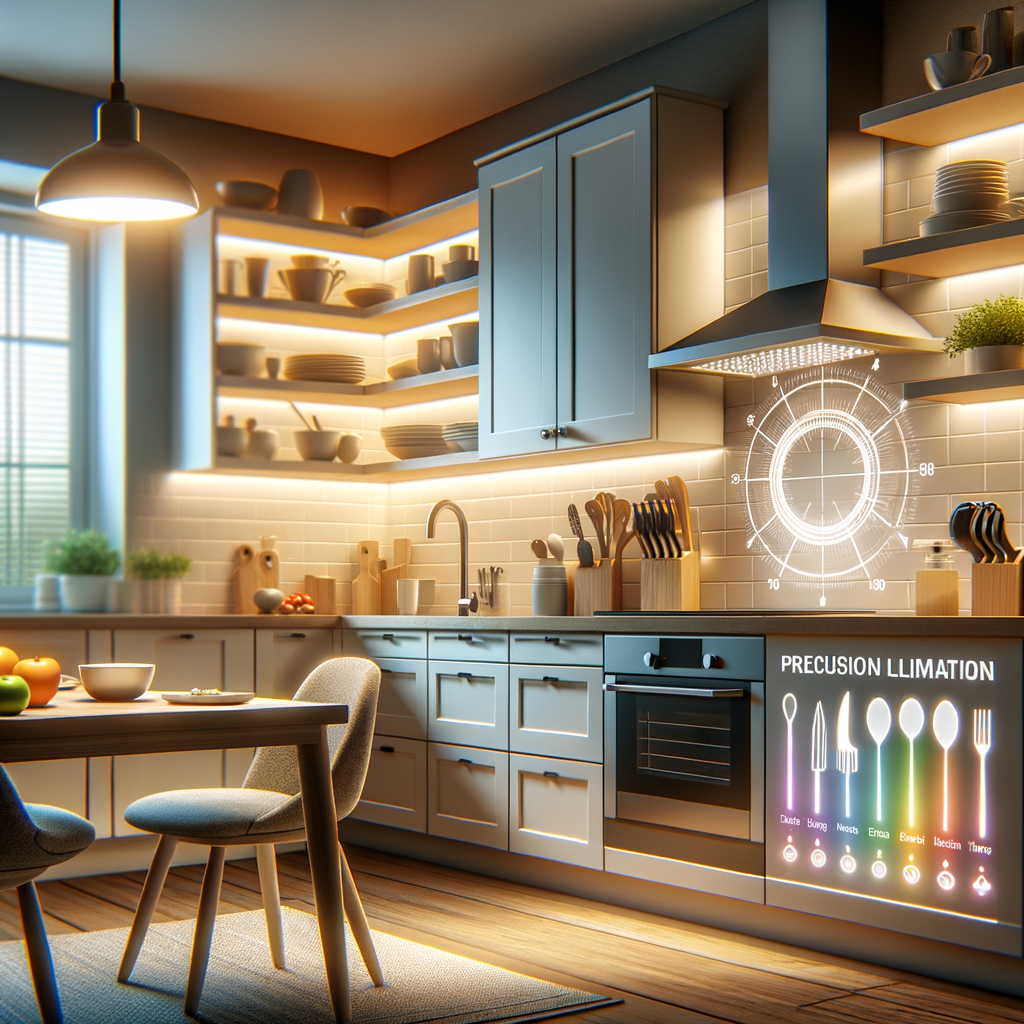
Understanding the Role of Under-Cabinet Lighting in Kitchen Projects
Under-cabinet lighting has evolved from a luxury add-on to a functional necessity in contemporary kitchen renovations. General contractors are increasingly tasked with specifying systems that not only improve visibility and safety but also enhance the overall design aesthetic. Precise illumination can transform food preparation zones and highlight premium finishes, directly impacting client satisfaction and long-term property value.“The right under-cabinet lighting can elevate both the utility and visual appeal of a kitchen, making it a non-negotiable feature in modern general contracting.”
Types of Under-Cabinet Lighting Systems: Pros, Cons, and Best Uses
Selecting the optimal under-cabinet lighting system requires understanding the distinct characteristics of each technology. Contractors must weigh factors such as energy efficiency, installation complexity, and light quality to meet diverse client needs.- LED Strip Lights: Highly energy-efficient, customizable lengths, minimal heat output, and available in various color temperatures.
- Puck Lights: Offer focused pools of light, easy to retrofit, but may create uneven illumination if spaced incorrectly.
- Linear Fixtures: Provide uniform coverage, ideal for continuous counter spaces, but can be bulkier than strips.
- Fluorescent Bars: Budget-friendly and bright, though less energy-efficient and limited in dimming options compared to LEDs.
“Matching the lighting system to the kitchen's workflow zones ensures both safety and ambiance are optimized.”
Key Specification Criteria for General Contractors
To achieve optimal results, contractors must consider a matrix of specification criteria. Focusing on these factors streamlines project planning and aligns with client aspirations for both function and flair.- Color Rendering Index (CRI): Prioritize CRI ratings above 90 for true-to-life color representation.
- Dimmability: Select systems compatible with modern dimmers to allow flexible lighting levels.
- Low Profile Design: Opt for fixtures that blend seamlessly with cabinetry to avoid visual clutter.
- Integrated vs. Surface-Mount: Choose based on cabinet construction and retrofit feasibility.
- Wiring and Power Supply: Ensure compatibility with planned electrical infrastructure and code compliance.
“A well-specified under-cabinet lighting system is a mark of craftsmanship and technical proficiency.”
Emerging Trends in Under-Cabinet Lighting for Kitchens
As technology advances, kitchen lighting systems are becoming smarter and more adaptive. Integrating these trends can set your contracting projects apart and future-proof client investments.- Smart Controls: Wi-Fi or Bluetooth-enabled systems for remote operation and scene setting.
- Tunable White Lighting: Adjusts color temperature to match time of day or mood.
- Sustainable Materials: Fixtures constructed from recycled or low-impact materials.
- Invisible Integration: Recessed or channel-mounted LEDs that disappear into millwork.
“Staying ahead of lighting technology trends demonstrates commitment to innovation and client value.”
Installation Challenges and Solutions for General Contractors
Under-cabinet lighting installations can present unique challenges, from routing concealed wiring to accommodating existing cabinetry. Anticipating these issues early in the project timeline minimizes disruptions and ensures a polished final result.- Retrofit Compatibility: Assess cabinet construction and backing for feasible wire runs.
- Heat Management: Use LED systems to minimize thermal buildup under cabinetry.
- Power Supply Access: Plan for discreet transformer placement and accessible service points.
- Code Compliance: Verify all electrical work meets local building codes and safety standards.
“Proactive planning and clear communication with electricians are essential for seamless under-cabinet lighting installation.”
Comparative Table: Under-Cabinet Lighting System Attributes
Comparing key attributes side-by-side helps contractors and clients make informed decisions tailored to project requirements.“A comparative approach simplifies the selection process and builds client trust through transparency.”
| System Type | Energy Efficiency | Installation Complexity | Light Quality | Dimming Options |
| LED Strip | High | Moderate | Uniform, customizable | Excellent |
| Puck Light | Moderate | Easy | Spot-focused | Good |
| Linear Fixture | High | Moderate | Continuous, even | Excellent |
| Fluorescent Bar | Moderate | Easy | Bright, less warm | Limited |
Conclusion: Elevating Kitchen Projects with Expert Lighting Specification
Specifying under-cabinet lighting systems is a strategic opportunity for general contractors to add measurable value to kitchen projects. By mastering system types, specification criteria, and installation best practices, contractors can deliver kitchens that exceed client expectations and stand out in a competitive market. What innovative lighting solutions have you implemented in your recent kitchen projects? Share your experiences and insights below!“Every detail in kitchen contracting matters—precision lighting is often the finishing touch that makes a space truly exceptional.”