
Specifying Water-Efficient Fixtures in Kitchen General Contracting: Reducing Consumption Without Compromise
By Berg General Contractor Kitchens Tue Mar 17 20267 minutes
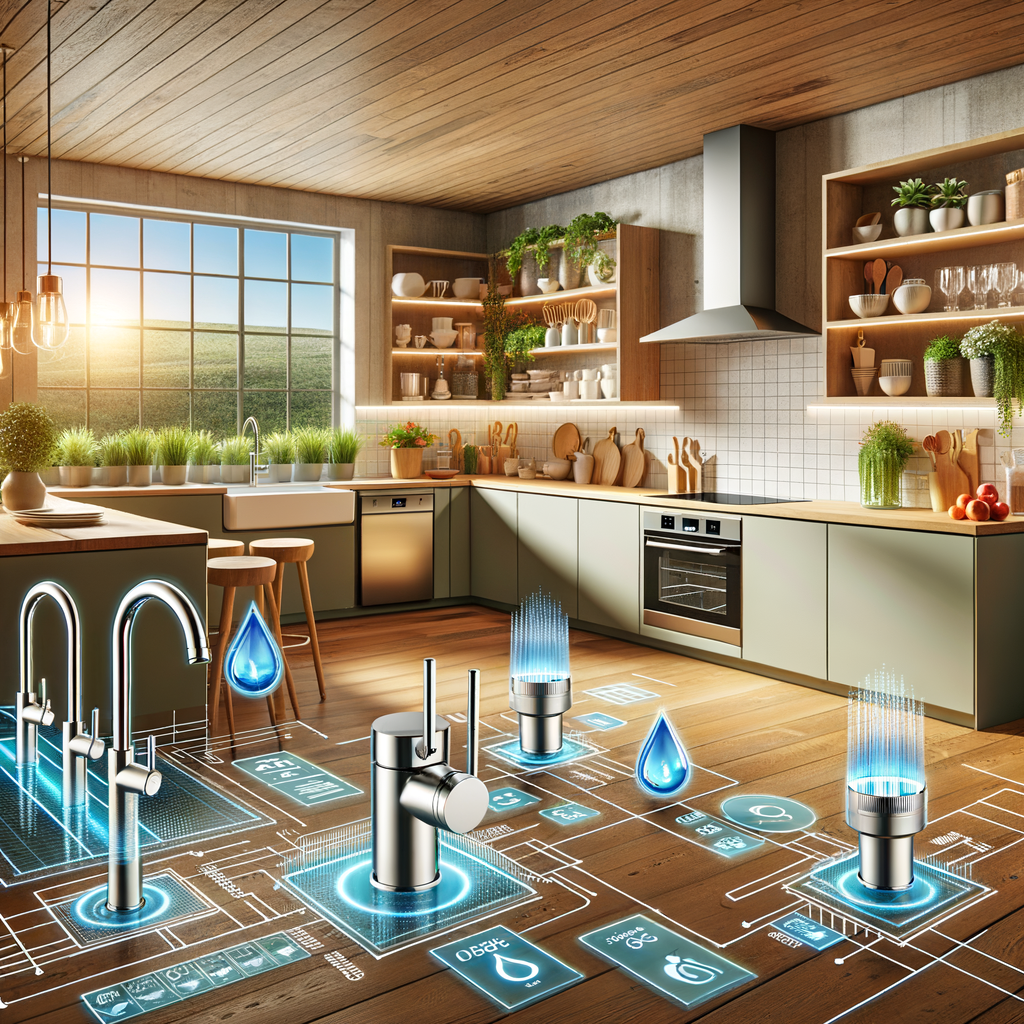
Understanding the Importance of Water Efficiency in Kitchens
Water efficiency has become a critical consideration in modern kitchen general contracting. With rising utility costs and increasing environmental awareness, both homeowners and commercial clients are seeking kitchens that minimize water waste while maintaining optimal functionality. General contractors play a pivotal role in specifying fixtures and systems that align with these goals.“The most sustainable kitchen is one that balances efficiency, performance, and client comfort—never sacrificing one for the other.”
Key Types of Water-Efficient Fixtures for Kitchens
- Low-flow faucets: Reduce water usage without diminishing pressure, often featuring aerators or laminar flow technology.
- Touchless or sensor-activated faucets: Limit unnecessary water flow, promoting hygiene and conservation.
- Water-efficient dishwashers: Utilize advanced spray technology and cycle options to minimize consumption.
- Pre-rinse spray valves: Essential for commercial kitchens, these fixtures meet strict flow rate standards while ensuring effective cleaning.
Navigating Compliance: Codes, Certifications, and Standards
General contractors must remain vigilant about evolving water efficiency codes and voluntary certifications. Adhering to these standards not only ensures legal compliance but can also enhance a kitchen’s market value and appeal to eco-conscious clients.| Standard/Certification | Key Requirement |
| EPA WaterSense | Faucets ≤ 1.5 GPM |
| CALGreen | Mandatory water use reductions in California |
| LEED v4 | Points for water-efficient appliances and fixtures |
Integrating Water-Efficient Fixtures into the General Contracting Workflow
Successful specification and installation of water-efficient fixtures require early coordination among project stakeholders. Contractors should collaborate with designers, plumbers, and clients to ensure fixture choices align with project objectives, budget constraints, and aesthetic preferences.- Conduct a water audit during pre-construction to identify baseline consumption and savings opportunities.
- Evaluate fixture options based on performance data, warranty terms, and compatibility with existing plumbing.
- Educate clients on the long-term cost savings and environmental benefits of water-efficient upgrades.
- Document all fixture specifications for permitting and future maintenance.
Expert Insights: The ROI of Water-Efficient Kitchen Fixtures
Investing in water-efficient kitchen fixtures yields tangible returns, from lower utility bills to improved property valuation. For general contractors, offering these solutions differentiates your services and positions you as a forward-thinking industry leader.“Clients increasingly expect their contractors to be stewards of both their budgets and the environment.”